
Case study — Fashion & Apparel eCommerce
Every click, correctly attributed.
Facebook Pixel, Conversions API, and GA4 Enhanced eCommerce implementation for a growing Bangladeshi fashion brand — fixing broken ad attribution and building a reliable measurement foundation.
Industry
Fashion & Apparel eCommerce
Core Channel
Meta Ads (Facebook / Instagram)
Scope
Meta Pixel · Conversions API · GA4 Enhanced eCommerce
1. Client
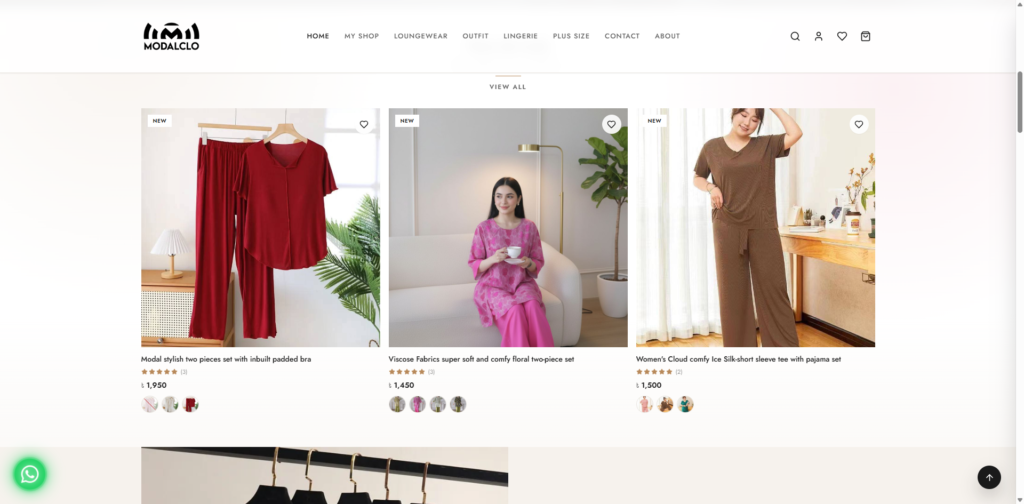
Modalclo — Modal Fabric Loungewear & Lingerie Brand
Modalclo is a Bangladeshi D2C fashion brand specializing in modal-fabric loungewear, lingerie, and everyday outfits, built around comfort for Dhaka's heat and humidity. Running on Shopify, the brand needed reliable ad tracking and eCommerce analytics to scale confidently on Meta Ads.
2. Project Overview
Ad spend was going up. Attribution wasn't keeping up.
Modalclo was investing in Facebook and Instagram ads but had no server-side tracking in place — the browser-only Pixel was losing events to ad blockers, iOS privacy restrictions, and cookie limitations. On the analytics side, GA4 wasn't capturing the Shopify purchase funnel accurately, making it impossible to tell which campaigns were actually driving sales.
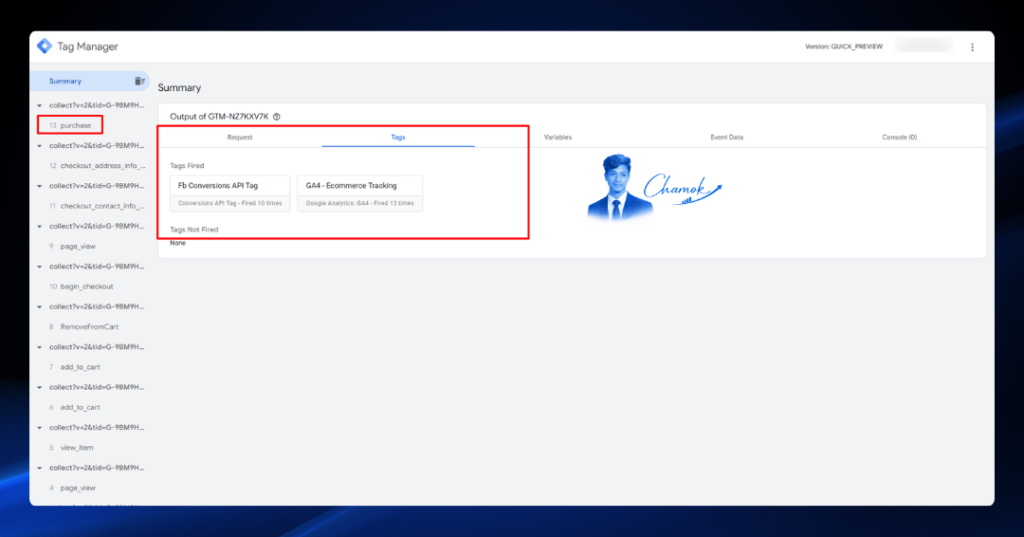
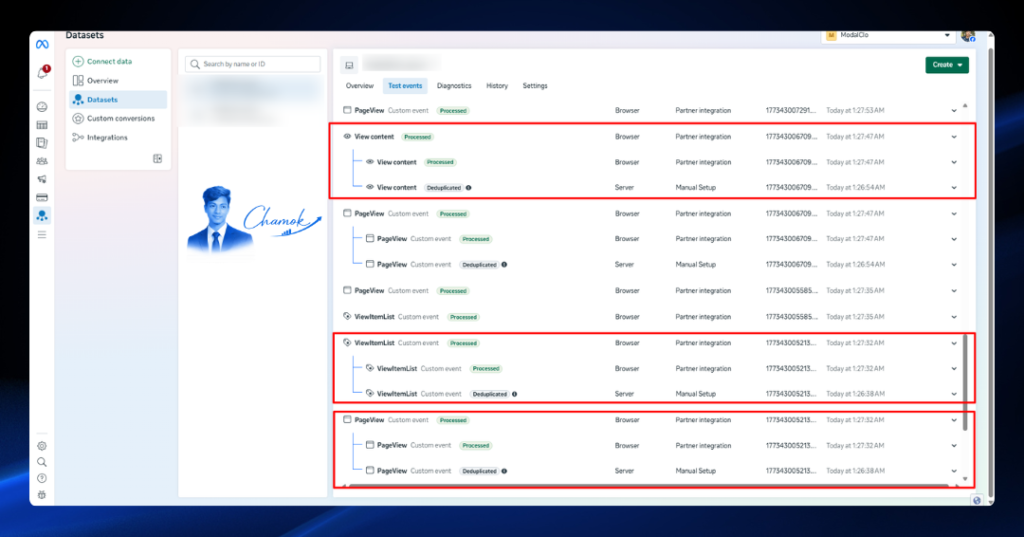
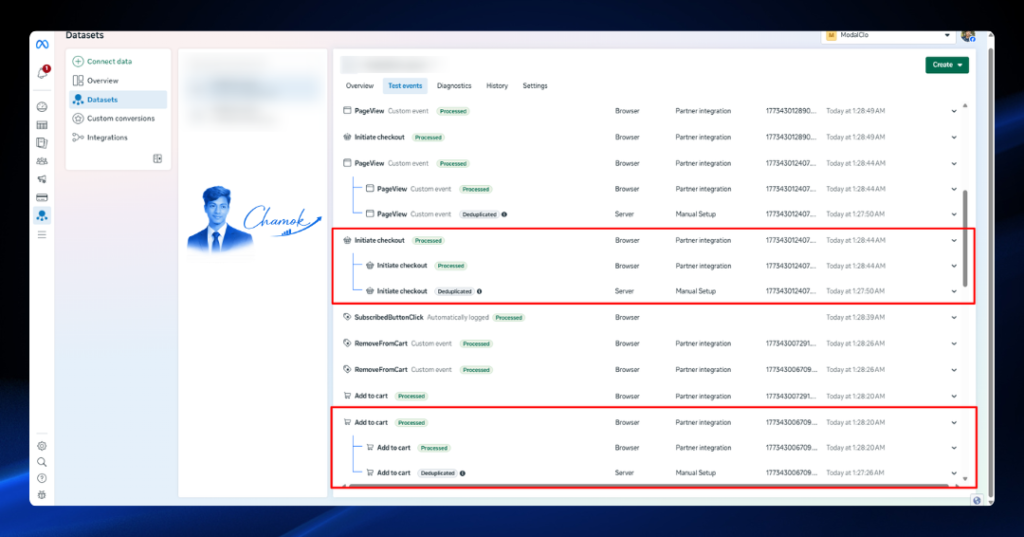
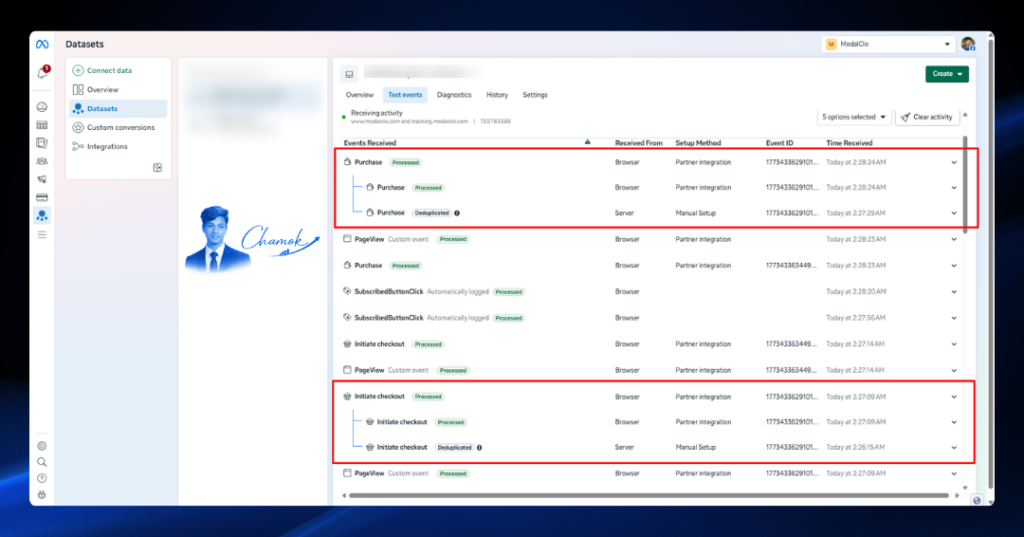
I implemented Meta Pixel with Conversions API (server-side, deduplicated) alongside a fully structured GA4 Enhanced eCommerce setup — giving the brand accurate, privacy-resilient tracking across both platforms.
3. Direction
Goal vs. reality
Project Goal
The primary goal was to implement a complete analytics ecosystem that could:
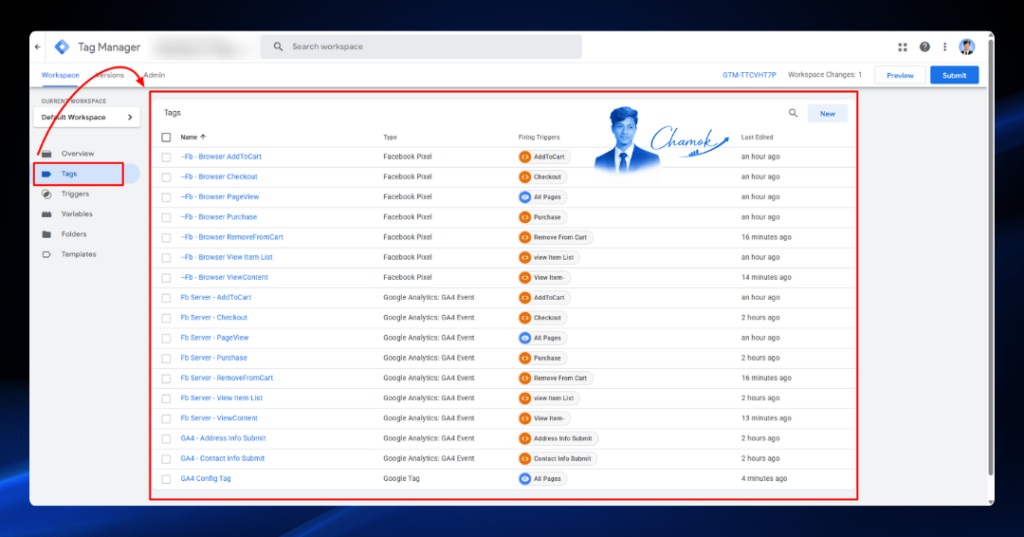
- Implement Meta Pixel + Conversions API for reliable, deduplicated event tracking
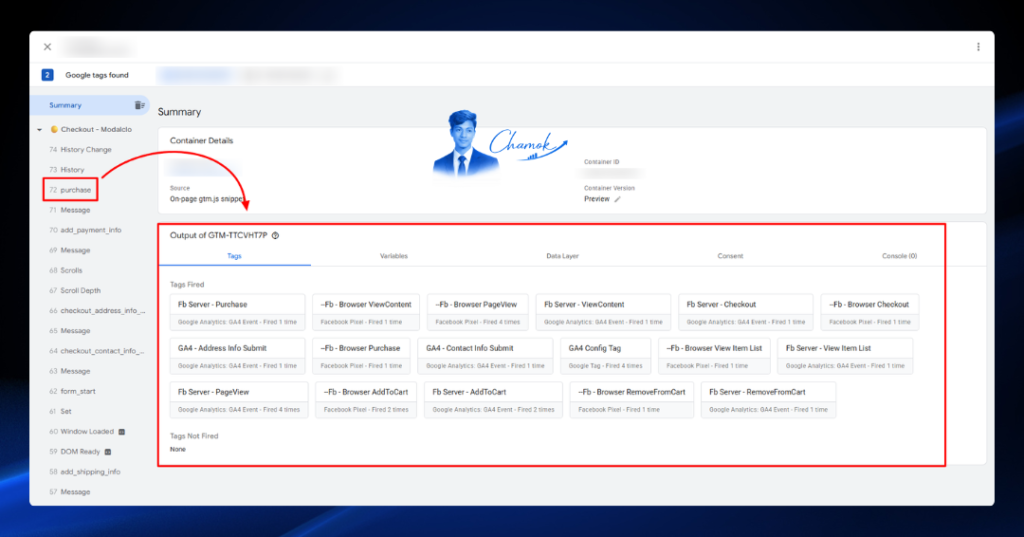
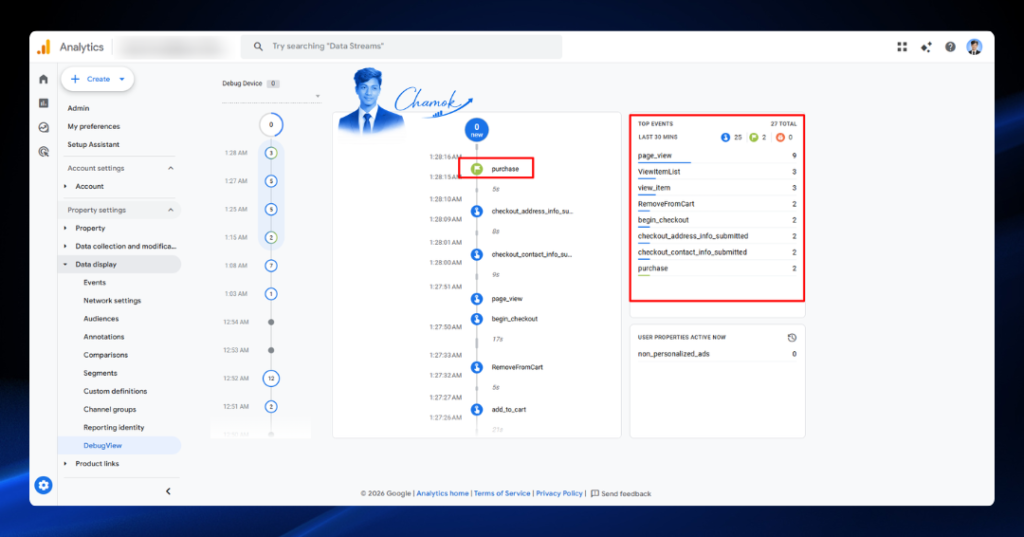
- Track the full Shopify funnel: view_item → add_to_cart → initiate_checkout → purchase
- Recover lost conversions from iOS14.5+ and ad-blocker attribution gaps
- Set up GA4 Enhanced eCommerce matching Shopify's product and order data
- Build a single source of truth for ROAS and campaign performance
Challenges
Several major tracking and reporting issues existed before implementation:
- Browser-only Pixel was missing a significant share of purchase events
- No server-side (Conversions API) tracking existed
- GA4 wasn't receiving Shopify's eCommerce data structure correctly
- Facebook Ads Manager showed inconsistent conversion numbers vs actual Shopify orders
- No event deduplication between Pixel and server-side events
- Product-level and variant-level data (size, color) wasn't passed to either platform
Strategy
A dual-layer tracking system: browser + server
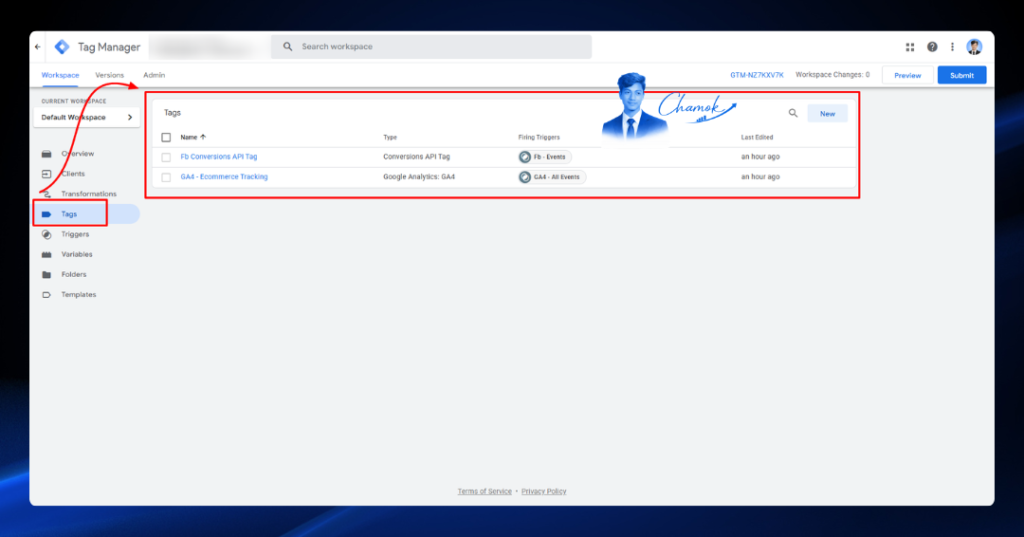
Built a tracking architecture where the browser Pixel and Conversions API work together with proper event deduplication, paired with a GA4 Enhanced eCommerce setup mapped directly to Shopify's product and checkout data — so both ad platforms and analytics report consistent, trustworthy numbers.
5. Implementation
What was actually built
Pixel Configuration
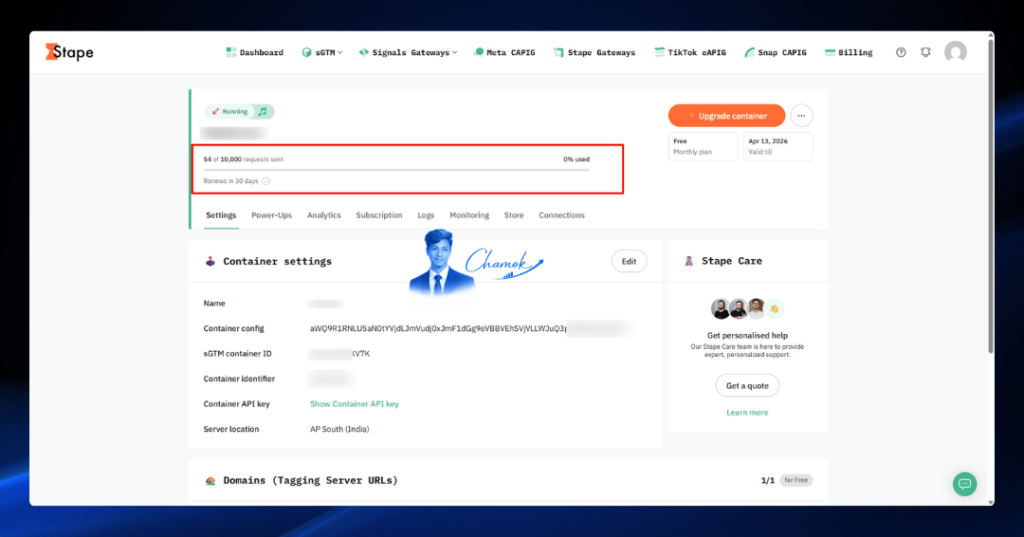
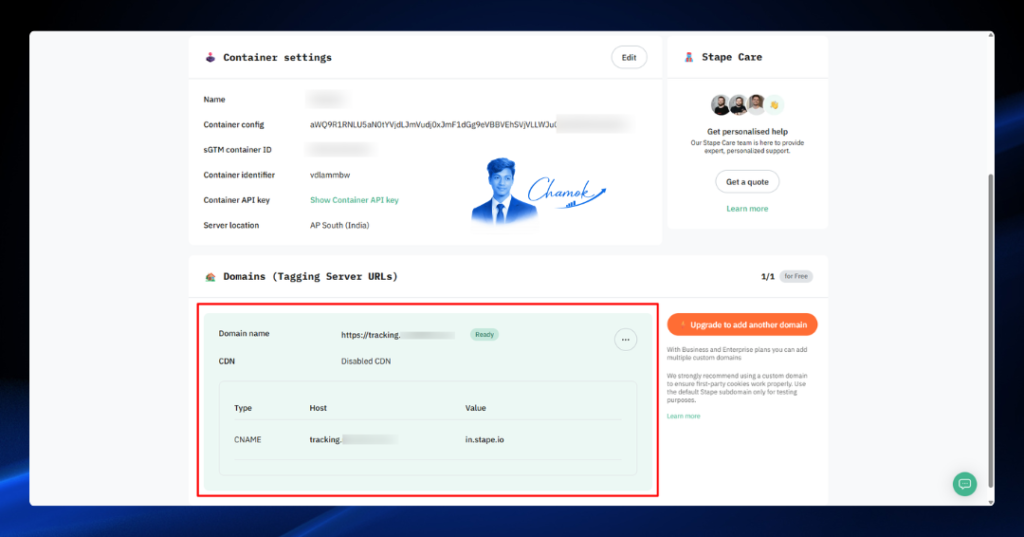
Conversions API
Pixel Configuration
GA4
Conversion mapping
Marked purchase and generate_lead as key conversion events inside GA4, aligned with the brand's actual revenue actions.
Meta
Meta Ads Integration
Connected Meta Pixel + Conversions API data to Ads Manager for conversion tracking and custom/lookalike audience creation.
Validation
Tools Used
Before → After
Summary
What ShukhiLife can do now
This project gave Modalclo a resilient, privacy-proof tracking foundation across Meta Ads and GA4. With accurate attribution and full-funnel visibility, the brand can now scale ad spend with confidence instead of guesswork.
- Track every purchase reliably, even with iOS privacy restrictions and ad blockers
- Build accurate custom & lookalike audiences from real conversion data
- Attribute revenue to the exact campaign and ad that drove it
- Make budget decisions based on real ROAS, not partial data
Still have questions?
Feel free to reach out directly. I'm always happy to help.